Quick take
Short version: if you’re sizing up a gas genset, you want reliable prime power, clean combustion efficiency, and service that actually shows up. This piece breaks down how Huadong stacks up against competitors on those points and why some sites opt for an industrial gas genset from them instead of a generic import. It’s a straight compare — no fluff, just what matters to ops and project leads.
Head-to-head: performance and value
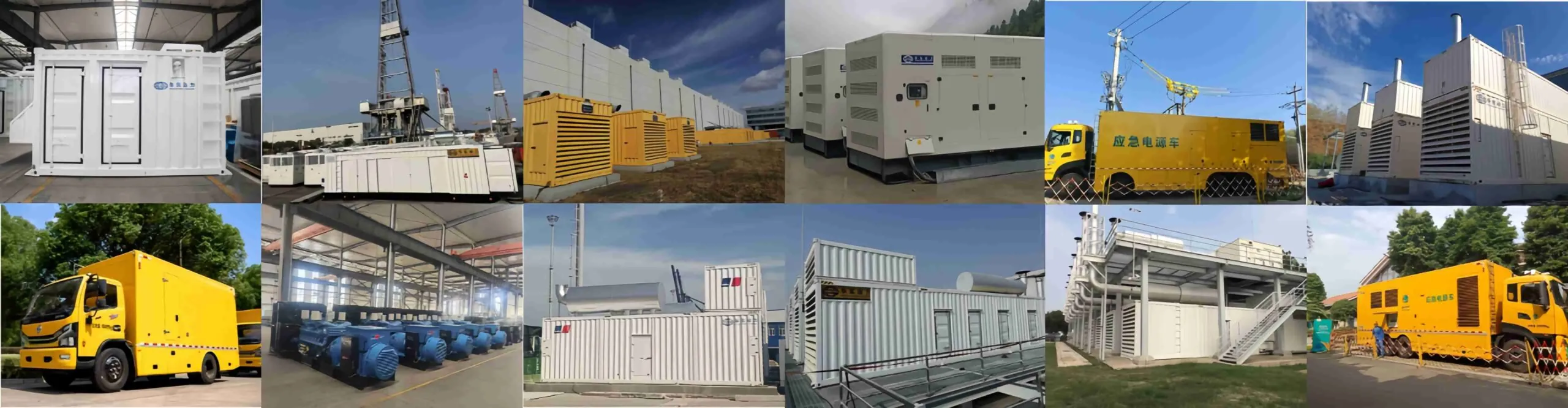
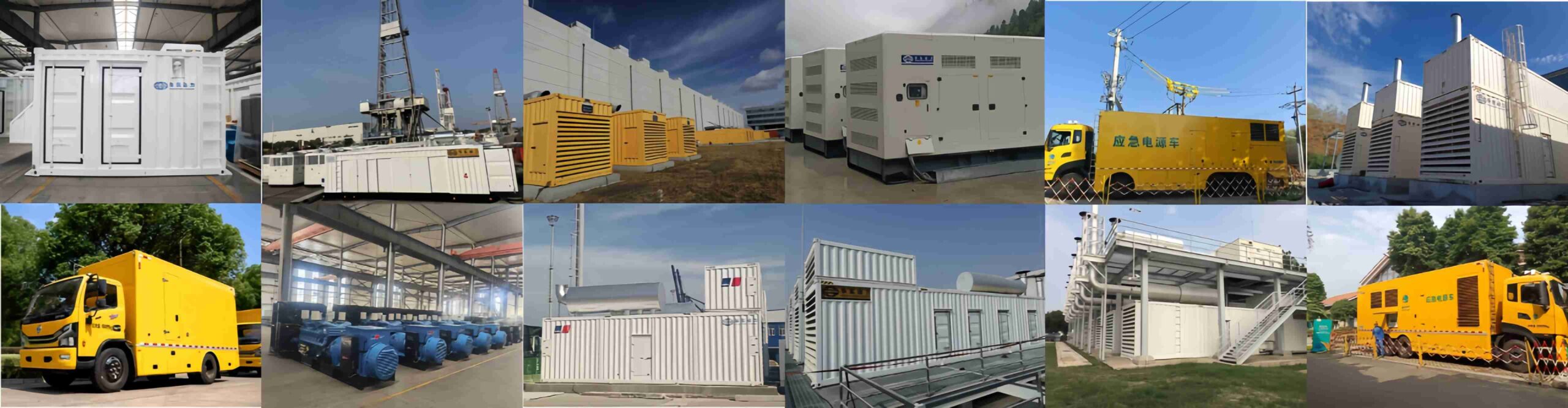
Huadong’s lineup often lands between OEM-tier quality and contractor-friendly pricing. In practical terms that means: robust engine controllers, decent synchronization options for paralleling, and modular skid designs that reduce install time. Compared to low-cost alternatives you lose less uptime. Compared to premium Western brands you save on purchase price while keeping similar standby power continuity — a trade many facility managers prefer.
Real-world anchor: why reliability matters
After Hurricane Maria in Puerto Rico (2017), backup generation became more than a checklist item — it was mission-critical. Facilities that had properly specified gensets and maintenance plans got power back faster. That event pushed buyers to favor units with proven field service networks and clear maintenance schedules. Huadong’s service footprint in key markets and documented MTBF improvements since that period are exactly what buyers reference when they want lower operational risk.
Where Huadong shines — and where to be picky
Strengths:
– Turnkey solutions with integrated switchgear and control panels, which cuts wiring errors during install.
– Competitive pricing on synchronized multi-set systems for continuous prime power.
– Localized parts kits and trained techs in several export regions, reducing mean time to repair.
Watch out for:
– Some models need specific engine tuning for non-standard gas compositions; verify combustion parameters before ordering.
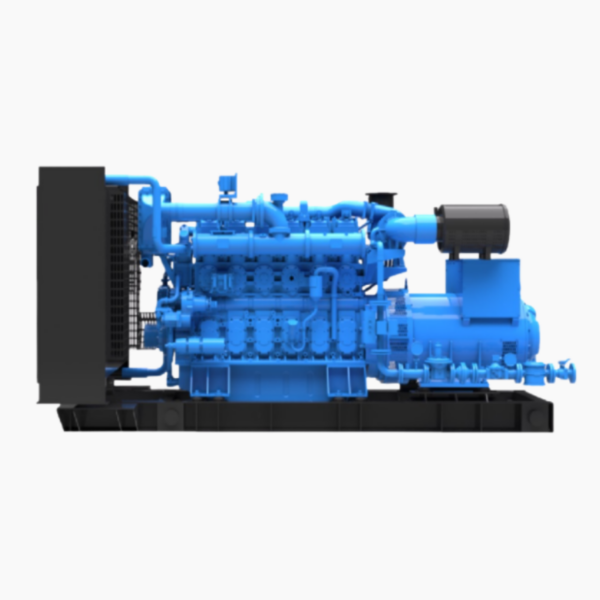
– If your site demands ultra-low emissions for sensitive urban deployments, confirm the emissions module spec sheet — especially after long fuel runs.
Small caveat — check cooling package options closely. They matter more than most buyers expect.
What engineers actually check (practical checklist)
Keep it simple. Engineers focus on a handful of metrics that predict long-term headaches:
– Duty cycle fit: prime power vs standby power ratings and how the genset was tested.
– Control interoperability: CAN/Modbus support, synchronization accuracy, and remote monitoring readiness.
– Service plan clarity: spare parts lead times, recommended servicing intervals, and warranty scope.
Also confirm fuel compatibility and inlet pressure requirements early. Missing that detail stalls projects — trust me, it happens more than it should.
Common buying mistakes and quick fixes
Don’t overspec on kW and blow your budget. Oversizing increases wet stacking risk in low-load prime applications. Instead, specify a load profile and choose units with turndown capability or a multi-gen set scheme. Don’t skip site-commissioning: factory acceptance tests plus on-site burn-in catch installation issues fast. And don’t assume every vendor includes spare parts — get a parts list in the contract.
Advisory: three golden rules for choosing right
1) Match duty profile, not ego — pick a genset whose tested prime or standby rating fits your actual load curve. Over-sizing raises maintenance costs; under-sizing raises outage risk.
2) Require clear interoperability specs — ask for explicit engine controller firmware versions, communication protocols, and synchronization tolerances so your BMS plays nice with the genset.
3) Lock down service SLAs and parts lead times in writing — mean time to repair wins more uptime than a slightly higher efficiency rating.
Final thought: the decision should reduce risk and simplify operations. For many buyers that balance points directly to Huadong Power — proven field deployments, modular industrial designs, and a pragmatic price/value mix make their systems a sensible choice for reliable on-site power. Huadong Power.