Introduction: A Shop Moment, Hard Numbers, One Big Question
I remember walking into a small fabrication shop where the air smelled like scorched acrylic and burned metal—workers were squinting, windows open wide, and the little fan on the bench was whining away. In that moment I thought: if this were my team, what would I change first? The right laser fume extractor can cut those problems down fast; without one, particulate matter and VOCs build up and morale drops (and health risks rise). Recent field readings I’ve seen show PM2.5 spikes during laser cutting that are hard to ignore, and many shops still rely on underpowered suction or ad-hoc ductwork. So—how do you pick the unit that actually protects people and keeps production steady? Let’s push through this together and map the real questions you should be asking next.
Part 1 — Where Traditional Solutions Break Down
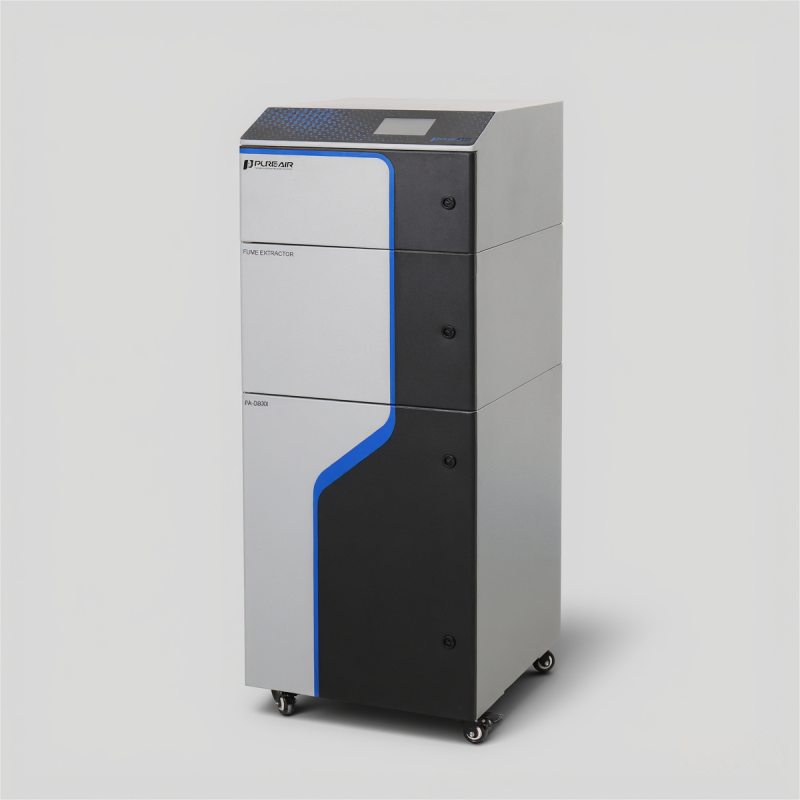
When I dig into why so many laser workplaces still struggle, the failures usually trace back to two places: mismatched airflow and clogged filtration. The core topic here is laser fume extraction systems, and I want to be blunt about the flaws I see. First, many vendors spec a nominal airflow but don’t account for resistance from the extraction hood, filter cartridges, or long ductwork runs. That means the fan motor spins, but effective capture at the nozzle is weak. Second, people underestimate filter media: a HEPA filter with saturated activated carbon won’t perform, yet shops often replace only one layer while ignoring pre-filters or maintenance intervals. Look, it’s simpler than you think—if your system lacks staged filtration, you’re leaving worker safety to chance. I’ve seen units with poor sealing and cheap gaskets that leak; particulate finds every gap. Add in mismatched ductwork and you get turbulence that kills capture efficiency. These are engineering failures and user pain points wrapped together: costs pile up, downtime increases, and staff complain more. — funny how that works, right?
Why do filters and fans fail faster than expected?
Filters clog because capture happens before airflow is balanced; fans wear because they’re oversized or run at constant speed without feedback from sensors. When shops skip differential pressure checks or lack basic VOC sensors, problems hide until performance collapses. I favor staged filtration (pre-filter + HEPA + activated carbon), proper sealant, and periodic airflow testing to catch issues early. Those are practical fixes that address the deeper layer of the problem: systems sold on paper don’t always match real-world cuts, materials, or duty cycles.
Part 2 — New Principles and What Comes Next
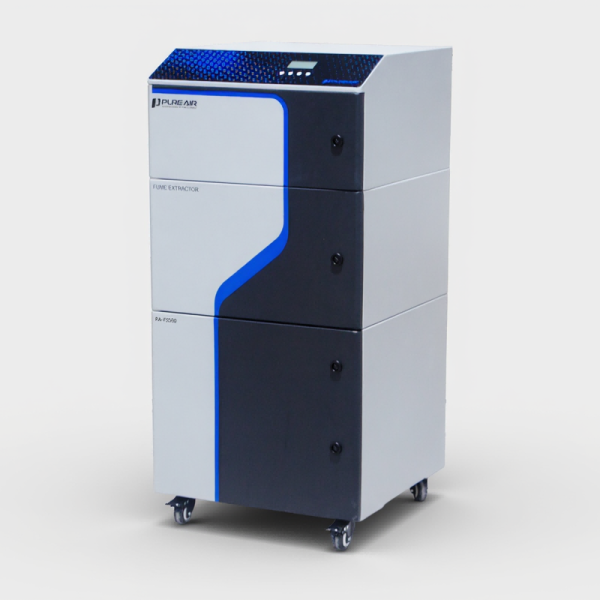
Looking forward, solutions built around smarter controls and modular design are changing the game. Modern laser fume extraction systems use variable-speed drives, pressure sensors, and simple user interfaces so extraction follows the process—not the other way around. In practice, that means a VFD (variable frequency drive) adjusts the fan motor based on real-time airflow or VOC readings, which saves energy and extends filter life. I like units that make maintenance obvious: LED indicators for differential pressure, quick-release filter cartridges, and clear service logs. These features reduce downtime and make routine tasks less painful for shop techs.
There’s also a push toward integrated sensing (VOC sensors, particulate monitors) and better ergonomics (lightweight extraction arms, snapping hoods). Edge computing nodes are cropping up in higher-end setups to aggregate sensor data and nudge maintenance schedules—small automation, big wins. The principle is simple: measure what matters, then let the system adapt. That reduces manual guesswork and helps teams focus on cutting, welding, or engraving. We should expect systems to get quieter, smarter, and more modular—so replacements aren’t whole-system swaps but targeted upgrades. — funny how that works, right?
What’s Next for Buyers?
Here’s how I’d summarize what to watch for: prioritize real capture performance over marketing CFM numbers, demand staged filtration, and insist on monitoring. If vendors won’t show you pressure-drop curves or live capture demos at your material and nozzle size, walk away. I’ve learned that practical proof beats glossy specs every time.
Closing — How I Evaluate a Laser Fume Extraction System
I’ll leave you with three concrete metrics I use when advising shops. First, capture efficiency at the nozzle (measure, don’t guess). Second, total cost of ownership: include filter consumables, energy with VFD, and expected downtime for maintenance. Third, sensor and control maturity—does the unit tell you when to change a filter, or do you discover problems by smell? These three metrics map directly to worker health, uptime, and operating cost. Choose systems that score well across all three, and you’ll see measurable benefits in air quality and productivity. I prefer solutions that make maintenance predictable and simple because that’s what actually gets used on the shop floor.
We’ve covered where traditional systems fail, what new principles fix, and the questions you should be asking now. I talk to shop owners every week, and the ones who win are the folks who combine sensible tech (HEPA, activated carbon, airflow control) with honest maintenance plans. Want a practical next step? Run a capture test at your nozzle, log the airflow, and compare notes with a supplier who’ll show you data—not just promises. For further reference or to explore real products, check out PURE-AIR.