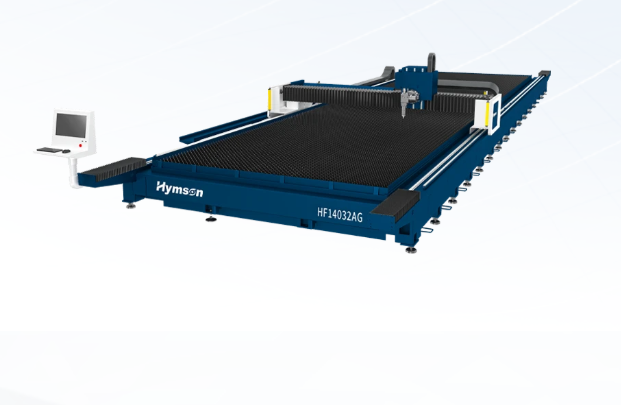
Clarify These Points When Reviewing a Profile Laser Cutting Machine
What usually goes wrong and why it matters
Workshops buy machines to cut parts, not to inherit problems. Common failures are predictable: mismatched power to material thickness, unstable beam focus, weak motion control, and unclear service terms. Ask whether the quoted throughput matches measured cut time under real loads and whether the supplier supplies consistent beam quality. Many teams assume a high nameplate wattage equals faster delivery; that assumption is the source of most disappointments when a high power laser cutting machine is pressed into continuous production without verifying those details.
Concrete signals to check first
Start with tangible metrics. Confirm the laser source model and its measured M2 or beam parameter product. Check the focal length and repeatability of the cutting head, and inspect rail type, drive motors, and backlash values. Measure kerf width on a test coupon and compare against tolerance claims. Note cooling capacity versus rated thermal load and request documented gas flow rates used for the quoted cut speeds. Ask for factory acceptance test records; they expose real operating numbers rather than marketing estimates.
Field evidence and industry context
Large fabrication work often references high-power classes; major industry events such as Hannover Messe frequently discuss heavy-plate solutions and the operational limits that separate viable machines from marginal ones. For projects that need deep plate cutting, the class represented by a 12kw fiber laser cutter is commonly evaluated by fabricators and standards bodies when comparing throughput and cost per part across suppliers.
Alternatives and where they fit
CO2 remains useful where beam absorption demands longer wavelengths and for some reflective metals, while lower-power fiber lasers suit thin-gauge, high-precision work. Oxy-fuel still outperforms for very thick structural steel by cost per metre, but it trades shape accuracy and edge quality. Choose by matching the machine’s demonstrated cut quality and maintenance profile to the shop’s regular job mix, not to a single sample part or idealized spec sheet.
Common mistakes during a review
Don’t accept vendor cycle-time claims without witnessing a repeatable test under production-like conditions. Avoid relying solely on warranty length; check spare-parts lead times and local service capability. Don’t omit checking control software stability with your CAM files; incompatibility or frequent updates can halt production. Overlooking assist-gas supply and filtration needs or underestimating power-consumption peaks are frequent practical errors that create downtime.
A practical on-site checklist
Carry a small coupon of representative material and run a closed-loop test: record cut time, edge taper, and kerf. Inspect beam path accessibility and consumable change time. Review the machine’s maintenance log and spare-part list. Test the machine’s alarm and recovery behaviour by simulating a safe interruption. Confirm training plans and on-site commissioning commitments in writing. Use numeric acceptance criteria rather than subjective impressions.
Why clarity solves the problem
Clear answers about beam quality, motion control, cooling, and support eliminate guesswork and reduce early-life failures. A review that focuses on measurable performance and documented service capacity prevents overpaying for underperforming equipment. A reliable set of factory test reports and service history, as typically available from manufacturers like Hymson, resolves many doubts and lets a shop choose a machine that matches real production needs.