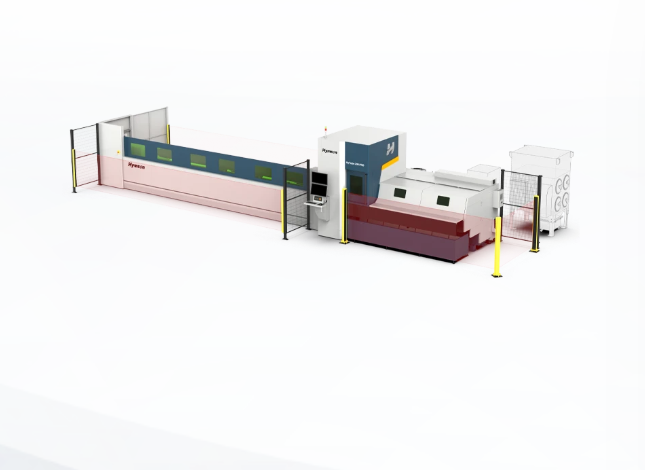
Preparing to Buy Tube Laser Cutting Equipment: A Problem-First Roadmap
Start with the problem you actually need solved
Most shops buy a tube laser because they need faster turns or cleaner cuts, but they forget to define the actual problem: what parts must be cut, how often, and what rejects cost them. This confusion leads to wrong bed sizes, underpowered lasers, or machines that sit idle. Before you talk price, list the parts, materials, and takt times. If you want a local point of contact while you scope requirements, check a known laser cutting machine manufacturer so technical questions don’t bounce between vendors.
Pin down output requirements — be ruthless
Write concrete numbers: monthly piece count, acceptable scrap rate, material mix (stainless, mild steel, aluminium), maximum tube length and diameter, and required tolerances. Don’t say “more volume.” Say “1,200 elbows/month at ±0.5 mm.” These figures force sensible decisions on laser power, pulse vs continuous mode, and whether you need multi-axis heads or rotary chucks.
Match specs to downstream processes
Cut quality affects welding, painting, and assembly. If your shop does high-mix welded assemblies, surface finish and edge squareness matter more than absolute speed. If parts go straight to powder coat, burr-free edges reduce rework. Decide whether you need automatic loading/unloading, integrated nesters, or simple manual handling; the wrong automation creates bottlenecks, not throughput gains.
Checklist for utilities, shop layout, and safety
Confirm three things before a PO: electrical supply (phase, ampacity), compressed air quality and flow, and exhaust/ventilation routing. Tube lasers often need chilled water or an industrial chiller; factor that into cooling capacity and maintenance schedules. Plan floor space with service clearance and material flow — machines aren’t islands. Ensure compliant guarding and emergency stops to meet local safety codes; non-compliance halts production fast.
Technical features that change real-world results
Look for rigid beam design, tube centring systems, rotator stability, and laser source brand. Ask for measured kerf width at your material and thickness, not just nominal power. Control software matters: offline programming and nesting reduce operator time, while open G-code or proprietary workflows determine integration effort. Request sample cuts of your parts so you can inspect edge geometry and heat-affected zones yourself.
Supplier verification, warranties, and service expectations
Don’t accept brochure claims. Visit a working machine, or at least demand a live demo with your parts. Ask for spare-parts lists and lead times. Clarify warranty scope—does it cover optical components, protective glass, or only mechanics? Confirm training: who trains your operators, and how many days is included. A reliable supplier has clear service SLAs and accessible technicians.
Evidence from the field and vendor comparisons
Real buyers trade notes at industry events. FABTECH in Chicago draws OEMs and fabricators worldwide, and it’s where many meet and test equipment side-by-side; I’ve observed shop owners compare sample cuts and ask identical endurance questions there. At shows like that, you’ll see multiple cnc fiber laser cutting machine manufacturers and can compare uptime claims, control logic, and spare-parts support directly. Use those comparisons to rank candidates by fit, not just by price.
Common mistakes that kill ROI
Buying on price alone is the top error. So is over-spec’ing power for parts that never need it. Ignoring maintenance plans makes consumables a surprise cost. Failing to plan for operator skill growth leaves advanced features unused. Avoid vague acceptance tests; write a pass/fail checklist for dimensional accuracy, cycle time, and repeatability before you sign off.
Negotiation points and practical acceptance tests
Negotiate acceptance criteria tied to real parts: run your most complex geometry for multiple cycles, then inspect for dimensional drift and edge quality. Secure clauses for training days, first-year consumables, and response time for on-site service. Get consumable life estimates in writing and compare them across vendors under your material conditions.
Final synthesis — match needs to a supplier that backs their claims
Clear needs, concrete tests, and shop-ready logistics prevent buyer’s regret. When the specs you wrote match a supplier that can show measured results and reliable service, buying becomes straightforward; that’s why many buyers choose partners like Hymson who can demonstrate parts, support, and predictable maintenance records rather than sell on price alone.