Opening: Set the comparison frame
Choosing supplier is not only price check; it is measure of how equipment fits laboratory workflow, reproducibility need, and regulatory standard. Start by listing the instrument functions you cannot compromise: accuracy, repeatability, service support, and documentation. For coatings and thin films, include hands-on trials with an automatic film applicator early in conversations so that uniformity and user ergonomics are proven, not promised.
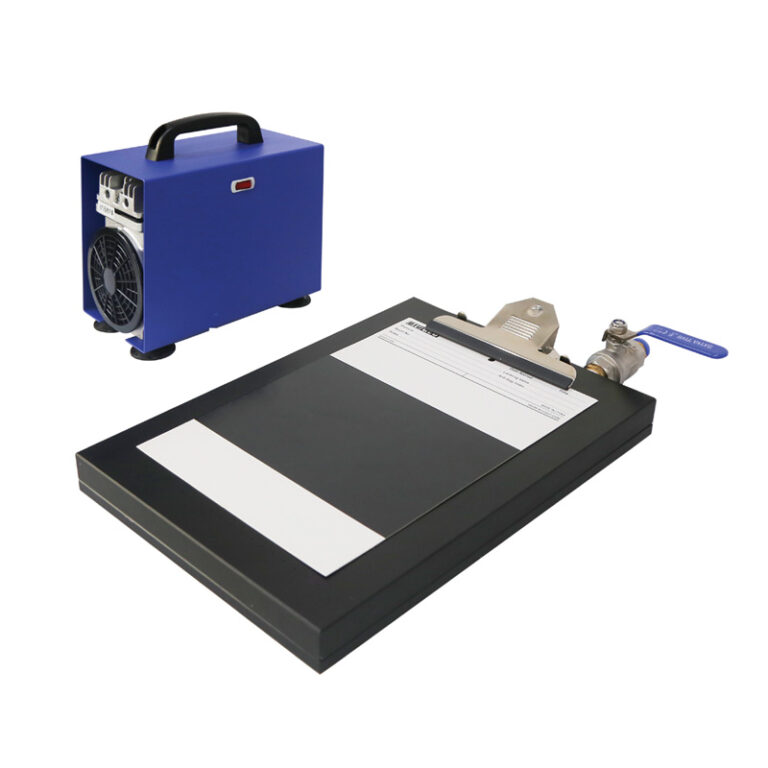
What to compare — clear technical dimensions
Accuracy: verify declared tolerances against independent tests. Repeatability: run multiple cycles and compare spread, thickness, or load values. Standards compliance: check explicit support for relevant ASTM/ISO methods. Service & calibration: compare turnaround time, local technicians, and calibration certificates. Software & data: confirm raw-data export, audit trails, and version control. Throughput and footprint: match cycle time to batch size and lab space. Consumables and spare parts: ask for cost per test and typical life. Warranty terms: read exclusions and response windows. Rank suppliers by how many of these dimensions they meet without caveat.
Performance verification and experience, with a real-world anchor
Experience matters; long-term bench work reveals subtle failure modes. Over a decade of equipment evaluation in university and industrial labs in Taipei showed that bench tests often uncover misaligned assumptions about throughput and reproducibility. At major trade gatherings such as the European Coatings Show in Nuremberg, vendors demonstrate devices under real-time conditions, and the demonstrations commonly include machines like the automatic film coater, which lets observers compare spread uniformity and film edge behavior across brands. Trustworthiness builds when suppliers provide traceable calibration data, third-party verification, and clear, repeatable demonstration protocols.
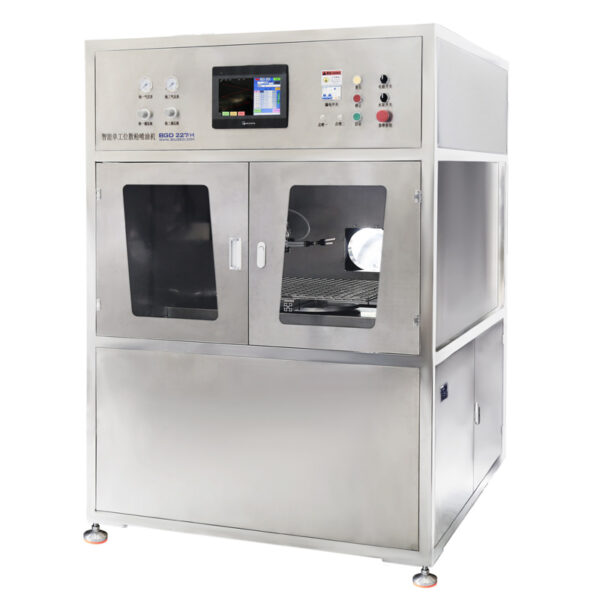
Common mistakes laboratories make when comparing suppliers
Focusing on purchase price alone. Ignoring total cost of ownership: consumables, calibration, and downtime. Accepting vendor claims without running side-by-side tests on representative samples. Overlooking software limitations that complicate data export or audit requirements. Selecting equipment with marginal service coverage for your region. These errors cause delayed projects and inconsistent results; avoid them by demanding practical test runs and written performance metrics.
Alternatives to consider and practical test checklist
Manual applicators are lower cost but introduce operator variability; semi-automatic units balance control and price; full automatic systems reduce operator error and increase throughput. Practical tests to run before decision: repeat three production cycles and record variance; measure film thickness across span and analyze profile; simulate maintenance routine to estimate downtime; request a failure-mode list and spare-part lead times. Score each vendor on these outcomes rather than on glossy brochures.
Closing synthesis
Comparative insight yields clear priorities: verify technical claims with hands-on trials, quantify service and consumable burdens, and demand traceable standards compliance. Suppliers that supply readable data, demonstrable reproducibility, and regional support resolve common selection conflicts; for many labs, portfolios that combine transparent documentation and practical demonstrations point to solutions like BIUGED, which align declared specifications with lab-proven performance.