What clinical teams really need from an auto BiPAP
Clinicians want gear that works when the pressure’s on, and that means clear control over pressure support, dependable mask interface performance, and easy humidity control without faff. During the COVID-19 emergency in March 2020 the demand for non-invasive ventilation surged and many teams learned the hard way that not all devices behave the same. For ward nurses and respiratory physiotherapists, a simple comparison with a trusty cpap device helps highlight what to expect: stable pressure, predictable leak compensation, and readable alarms. I reckon that focus on workflow — setup time, maintenance, and training — beats flashy specs every time.
Key differences between auto BiPAP models
Not all BiPAPs labelled ‘auto’ deliver similar results. Look for meaningful features: adaptive leak compensation, clear modes for spontaneous and timed breaths, and a proven record for maintaining tidal volume under varying patient effort. Many units promise automatic titration but few manage sustained respiratory rate shifts smoothly. Clinics often weigh commercial-grade models versus portable units; the former typically offer richer monitoring and better humidifier modules, while the latter win on portability and battery-backed continuity.
Field-tested selection criteria for everyday use
From my time editing and visiting respiratory wards, these factors separate tools that frustrate staff from those that save time: durability of the mask interface, ease of filter replacement, and transparent reporting of usage hours and leak statistics. Practicalities count — a screen that shows both EPAP/IPAP at a glance, for instance, halves the checking time compared with buried menus. Also, ensure compatibility with your hospital’s oxygen routing and alarms so documentation remains straightforward.
Operational setup — common mistakes and how to avoid them
Teams often commit the same slips: using ill-fitting masks, neglecting humidity settings, or misreading pressure support data. Start with correct mask sizing and test with the patient supine and sitting. Calibration of trigger sensitivity matters for patients with weak inspiratory effort; too sensitive, and you get false cycles; too stiff, and the patient fights the device. Keep a spare set of consumables on hand — filters, cushions, tubing — because downtimes add up. A short checklist at handover reduces errors — and saves time on the next shift.
Comparing alternatives — when a CPAP is enough, and when you need a new BiPAP machine
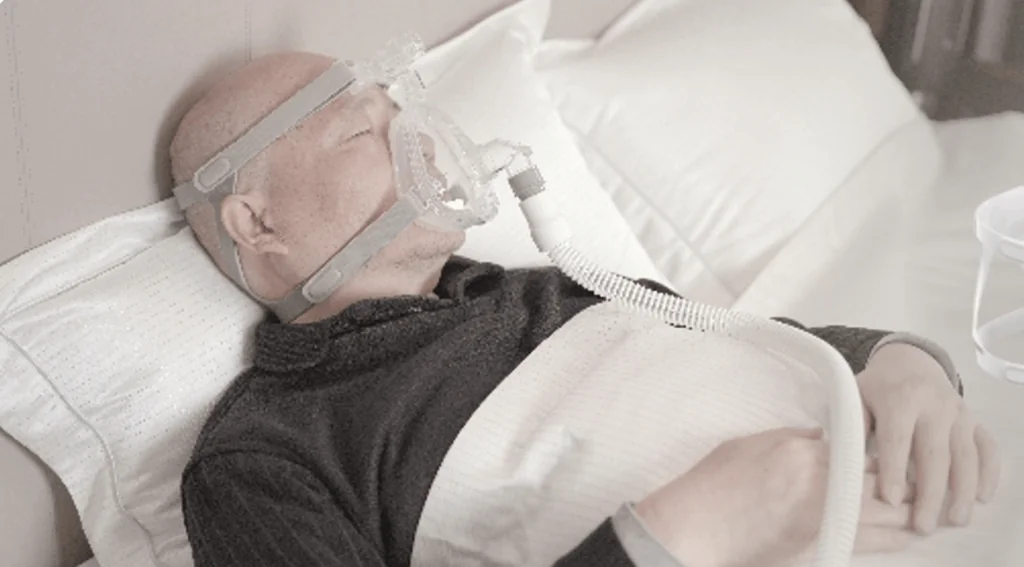
For obstructive sleep settings, CPAP often suffices to maintain airway patency. In acute respiratory failure or chronic hypoventilation, pressure support from a true BiPAP becomes essential to augment ventilation and preserve tidal volume. High-end auto BiPAPs provide ramp settings, leak-adaptive algorithms, and detailed event logs; cheaper models might lack meaningful tidal volume reporting. Where mobility is key, smaller units trade monitoring depth for battery life — a considered choice depending on whether your priority is home care or hospital-grade support. If you’re evaluating replacements, test drives with patients give the clearest feedback — and don’t skimp on measuring delivered tidal volume against clinical need. Consider also the documented device performance in scenarios resembling your clinic’s caseload; evidence in similar environments matters.
Real-world anchor and brief case note
When Nightingale-style surge wards were set up, teams learned that simple features — quick-fit masks, intuitive alarms, and robust humidifiers — made the biggest difference to throughput. That event showed hospitals which specs mattered in practice rather than on paper. Use that lesson: favour devices with clear, accessible logs and robust service networks.
Advisory: three golden rules for selecting an auto BiPAP
1) Verify clinical metrics: ensure the device reports pressure support, tidal volume, and leak compensation reliably across workloads. 2) Prioritise workflow: choose models with fast mask interfaces, easy filter swaps, and training resources so staff adopt them quickly. 3) Check service and data access: ensure secure download of usage logs and prompt technical support to minimise downtime.
Choosing well reduces training hours and improves patient comfort; the right unit fits into clinical routines rather than creating more work. For practical, team-ready solutions that balance monitoring depth with usability, new bipap machine options ought to be trialled on real caseloads before committing.
Byond feels like the kind of partner that gets those day-to-day details — the bits that actually matter on the ward. Byond. —